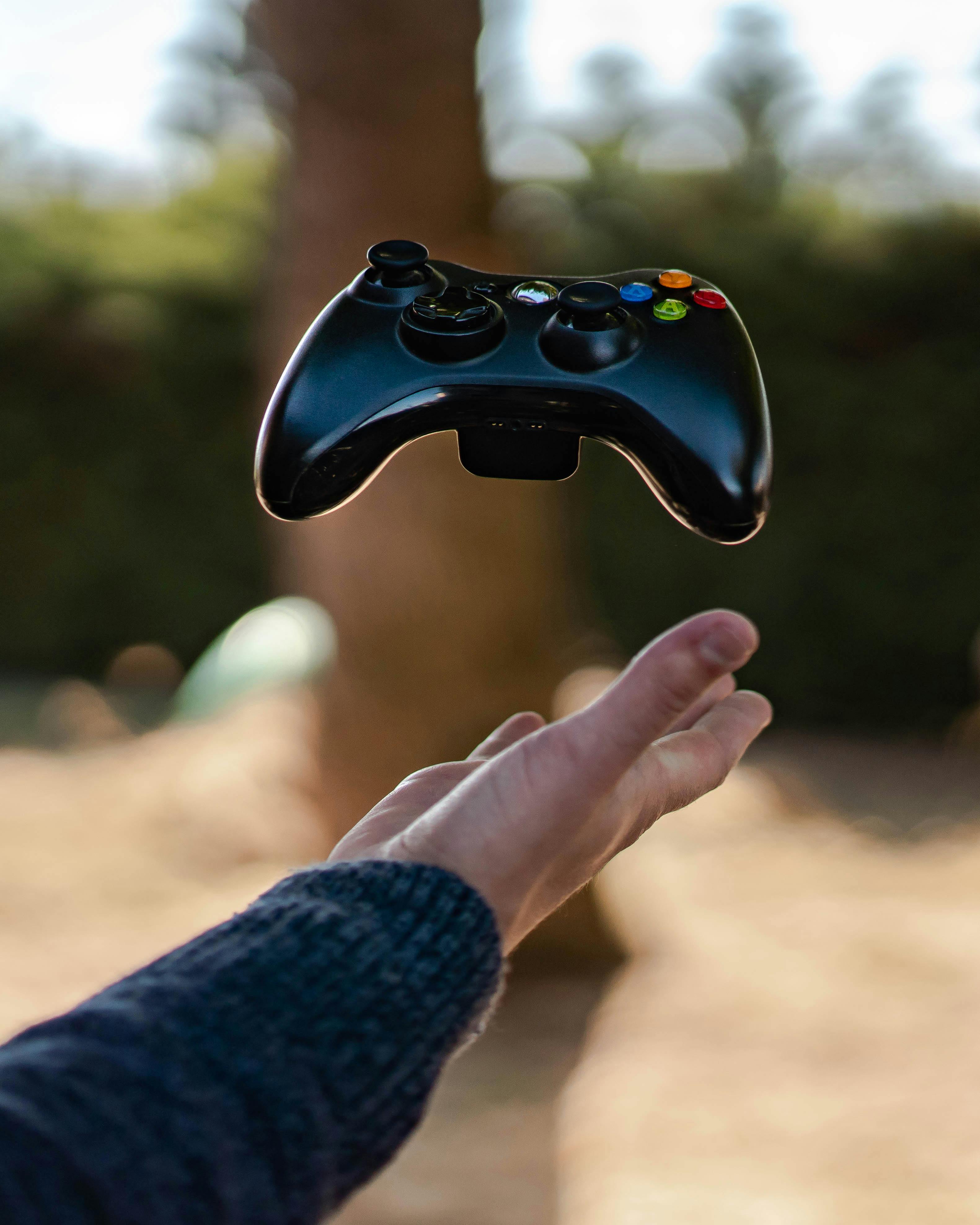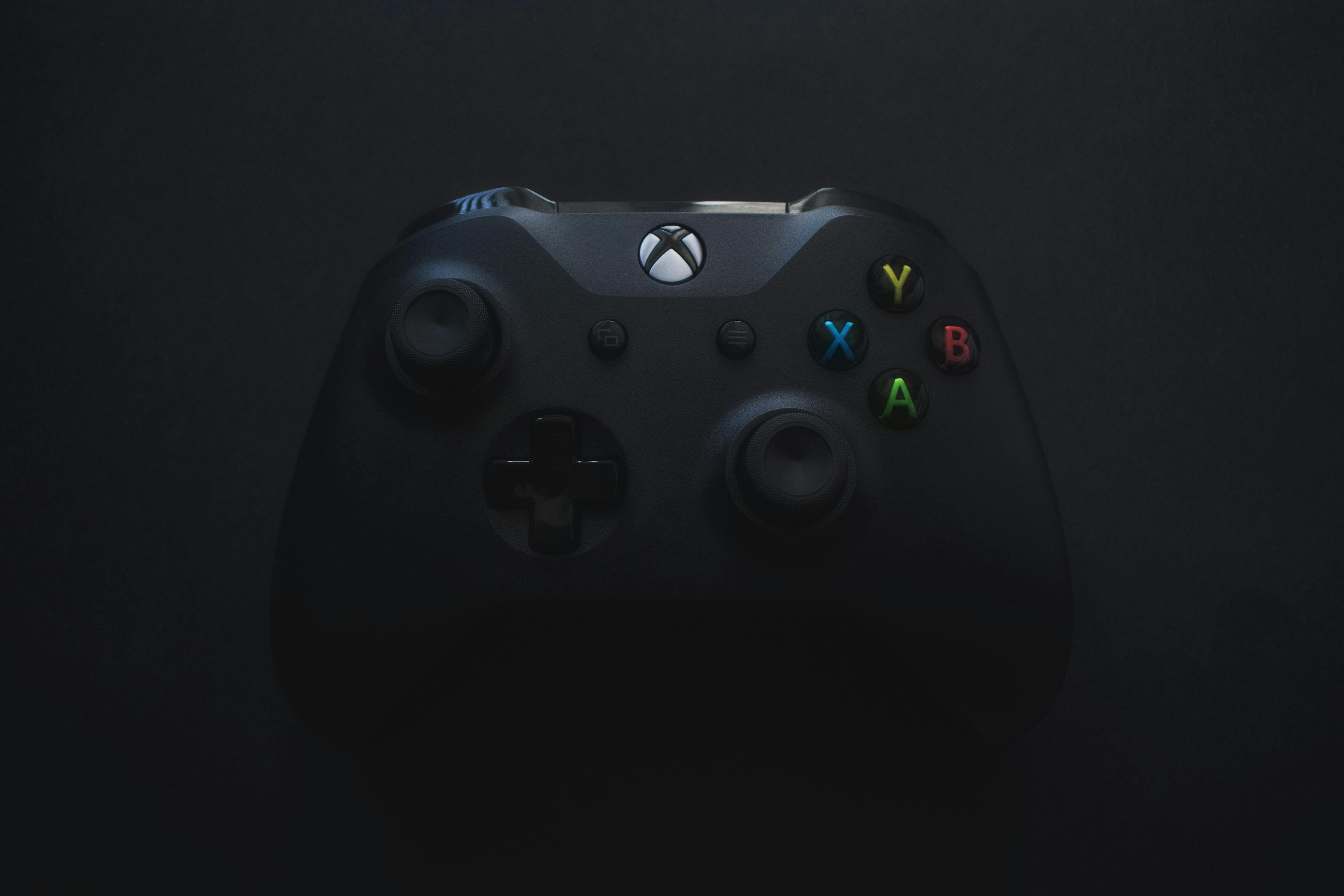
Gaming is changing the way we play, and Netflix for games is leading this shift. In the world of video games, things are no longer the same as they used to be. Back then, building a collection meant buying expensive physical copies or downloading games one by one, often at a high cost. Now, Xbox Game Pass has made waves. It's a subscription service from Microsoft that's not just entering the market—it's reshaping it. Often called the "Netflix of games," Game Pass is more than a service; it's a new way of thinking about gaming, the foundation of a whole new gaming world, and maybe the best entertainment option out there. But what exactly is Game Pass, why has it become so big, and what's next for it?
Xbox Game Pass is a subscription service that gives you access to a large, changing collection of games for a set monthly fee. It's important to know about the different levels because each one offers different features:
Game Pass Console: The starting point.
For a monthly fee, you get access to hundreds of games that you can play directly on your Xbox Series console. The game library is the main part of the service — carefully selected, varied, and always updated.
Game Pass PC: Designed for gamers who prefer PCs.
This plan offers a separate (but sometimes similar) collection of games that are optimized for Windows. It includes everything from small indie games to big AAA titles, and often comes with extra features like EA Play.
Game Pass Ultimate: The best choice.
It combines all the benefits of the Console and PC Game Passes. It also includes:
- All the advantages of the Console and PC Game Passes.
- Xbox Live Gold for playing online multiplayer.
- Access to a cloud-based game library, so you can play supported games on your phone, tablet, or browser — no console needed.
- Special perks like in-game content, downloadable content (DLC), and deals from partners.
- Early access to all games made by Xbox Game Studios.
This last feature is a big deal.
Every game made by Microsoft — whether it's the massive Starfield, the fun Forza Horizon, or the intense Hellblade II — is available on Game Pass the day it's released. You don't need to buy it separately.
The big appeal of Game Pass is its incredible value.
For less than the cost of a new game each year, you get access to a collection of games worth thousands. But there's more than just good math behind it — there's real value and convenience that makes it a winning choice.
Competitive landscape: Who is falling behind?
Microsoft's big move made the whole industry take notice.
Sony's PlayStation Plus Premium: Sony has set up its services in different tiers, offering a collection of old and new games at the top level.
But it doesn't have a lot of first-party games — new titles like God of War or Spider-Man still need to be bought at full price.
Nintendo Switch Online + Expansion Pack: This service focuses a lot on nostalgia with a wide selection of Nintendo and Sega classics, but it's more of an extra service rather than the main way to get new Nintendo games.
PC Competitors: Services like EA Play and Ubisoft+ exist, but they mainly focus on their own published titles, making them more like closed systems.
Still, no competitor comes close to Game Pass Ultimate in terms of range, immediate value, and the ability to use it across different devices.
Microsoft's buying of companies like Bethesda and Activision Blizzard has only made this gap bigger, and it's expected to bring in big franchises like Call of Duty, Diablo, and World of Warcraft.
Future: Where does Game Pass go from here?
The direction suggests an even more connected and broader future.
"Everything" Pass: Rumors and analyst forecasts point to a future super bundle — a real "Microsoft Pass" that could merge Game Pass, Microsoft 365, and other services at a great price.
This would bring games into people's everyday digital lives.
Cloud gaming dominance: The bigger picture might be a future that works across all devices.
As cloud technology gets better, the need for strong local hardware will go down. Game Pass Ultimate is the key to playing games like Microsoft Flight Simulator on your TV, phone, or even a cheap streaming stick. This could bring the total number of people who can access games into the billions.
Revolutionary Appeal: Why is Game Pass the winner?
The value proposition is almost absurdly compelling. For less than the price of a new game per year, you get a library worth thousands. But the magic goes beyond simple math.
Democratizing Discovery: Game Pass eliminates the financial risk of trying something new. That quirky indie title or terrifying strategy game you've been curious about is now a zero-risk download. It has fundamentally changed how gamers interact with genres, giving surprise hits like Vampire Survivors and Paleworld a massive audience that would never have been reached under traditional retail models. It turns gaming from a series of expensive commitments into a playground for experimentation.
Redefining value and ownership: We are moving from the era of "owning" a plastic box to the era of "accessing" a constant stream of experiences. For the time-strapped modern gamer, this is a revelation. The ability to try out a narrative epic, dive into a multiplayer event and relax with a casual puzzle – all for a flat fee – aligns perfectly with modern spending habits. It transfers value from a static product to an ongoing service.
The power of "day one": This is Microsoft's cool feature. The promise that every first-party title will arrive in your subscription library upon release is unprecedented. It eliminates the painful wait for price drops and makes large gaming events community gatherings available to all customers. This creates immense loyalty and makes membership the primary platform.
Building an unbreakable ecosystem: Game Pass is the central nervous system of Microsoft's gaming strategy.
Challenges and clouds on the horizon
No revolution is without its naysayers, and Game Pass has faced serious criticism.
The "overwhelming abyss effect": Paradoxically, too much choice can be paralyzing. The constant influx of new titles can lead to a phenomenon where customers rush from one game to the next without taking the time to really immerse themselves, potentially reducing the depth of the experience. The service takes the risk of training players to become sustainable tourists.
The End of Ownership?: The traditionalist argument is strong: You own nothing. If a beloved third-party title leaves the service or you cancel your subscription, your access will disappear. This represents a fundamental shift from building a personal collection to renting out a temporary privilege. Emotional and practical attachment to a permanent library is a disadvantage for some people.
The sustainability issue: This is a billion-dollar puzzle. Can subscription revenue, split between countless publishers and studios, really fund the development of blockbusters that cost $200 million or more to make? Although Microsoft can tolerate losses to gain market share, the long-term health of the industry is unproven under this model. Critics worry that this could lead to safe, service-based or smaller games designed to fit subscription rhythms rather than push creative boundaries.
Concerns about content attrition: The rotating nature of the library means that games disappear, often with only a few weeks' notice. Although you usually get a discount if you buy it permanently, this ephemera can seem at odds with how we've historically enjoyed art. You can't suddenly see a game again years later unless it's still in use or you buy it.
Competitive landscape: Who is playing catch-up?
Microsoft's bold move forced everyone